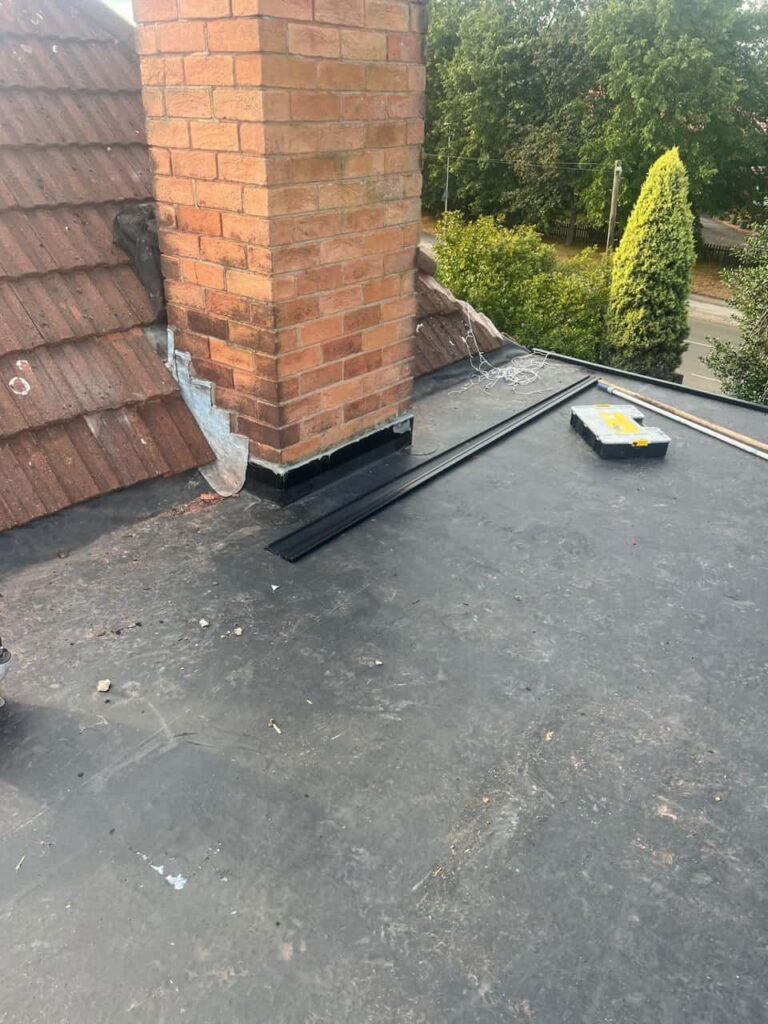
Felt roofing is a popular choice for flat and low-pitched roofs, including garage roofs, extensions, sheds and outbuildings. When correctly installed and maintained, it provides a practical barrier against rain and moisture. However, exposure to changing weather, standing water and general wear can eventually cause damage that needs attention.
For property owners in Ruddington, Nottingham, recognising the early signs of felt roof deterioration can help prevent minor defects from developing into more serious leaks. Ruddington Roofing Repairs provides professional roofing services to identify common felt roofing problems and carry out suitable repairs to help keep roofs weather-resistant.
Common Felt Roofing Problems and Their Solutions
Felt roofs can develop several types of damage over time. Identifying the cause is essential, as simply covering a visible defect may not resolve the underlying problem.
1. Cracks and Splits in the Roofing Felt
Roofing felt can become brittle as it ages, particularly after repeated exposure to sunlight, temperature changes and harsh weather. This can lead to cracks or splits that allow rainwater to penetrate the roof structure.
Small defects may initially appear harmless, but they can widen and increase the risk of water ingress. Signs to look for include visible splits, damaged surface layers and damp patches on the ceiling beneath the roof.
The appropriate repair depends on the condition of the felt and the extent of the damage. Localised repairs may be suitable where the surrounding material remains sound. If the felt is brittle or split across a larger area, more extensive repair or replacement may be necessary.
2. Leaks Around Roof Edges and Joints
The edges of a felt roof are particularly vulnerable because they must form a secure seal where the roofing material meets adjoining surfaces. Damage can also occur around joints, upstands and abutments.
If these areas become loose or deteriorate, rainwater may find its way beneath the felt. Water stains on internal walls or ceilings can indicate a problem, although the visible damp patch may be some distance from the actual entry point.
A professional inspection can help establish whether the issue relates to the felt itself, the edge detailing or the adjoining roof structure. Repairs should restore the affected junction and provide a reliable seal rather than simply concealing the visible damage.
3. Standing Water on Flat Roofs
Flat roofs should have suitable drainage or falls to encourage water to run towards the intended outlets. When water remains on the surface for extended periods after rainfall, it may indicate blocked drainage, an uneven roof surface or a problem with the roof’s underlying structure.
Persistent standing water can place additional strain on ageing felt and increase the likelihood of deterioration around seams and weak points.
Keeping gutters and outlets clear can help maintain drainage. However, if water repeatedly collects in the same areas, the roof may need a closer assessment to determine whether repairs to the surface or underlying structure are required.
4. Blistering and Bubbling
Blisters appear as raised areas beneath the roofing felt. They can develop when air or moisture becomes trapped between layers or when the felt loses its bond with the surface below.
Although not every blister will immediately cause a leak, damaged or expanding areas can weaken the roof covering. Puncturing a blister without understanding the cause may make the problem worse.
The correct treatment depends on the type of roofing system, the condition of the surrounding felt and whether moisture has affected the layers beneath it. Professional assessment helps determine whether a localised repair is appropriate or whether the affected section needs more extensive work.
5. Loose or Lifting Felt
Strong winds, deteriorated adhesive or failing fixings can cause sections of felt to lift away from the roof. Once the covering becomes loose, wind-driven rain can enter beneath it, and further movement may enlarge the damaged area.
Look for lifted edges, loose overlaps and sections that no longer sit securely against the roof surface. Avoid attempting repairs from an unsafe ladder or walking on a roof that may not support your weight.
A roofer can secure or replace the affected material and check whether the surrounding felt remains firmly attached.
6. Ageing and General Wear
Even a well-maintained felt roof will eventually show signs of ageing. Surface deterioration, repeated repairs, widespread cracking and recurring leaks may indicate that the covering is approaching the end of its useful life.
Repeatedly repairing isolated defects may not be the most suitable long-term solution if the surrounding felt has also become weak. In these circumstances, replacing the affected section or considering a new roof covering may provide a more dependable result.
A thorough inspection helps establish the condition of the roof and the most appropriate next step.
How to Reduce the Risk of Felt Roof Damage
Routine maintenance can help identify developing problems before they lead to internal water damage. Property owners should arrange periodic checks of accessible roof areas, keep gutters and drainage outlets clear, and look for signs of leaks following periods of heavy rain.
It is also sensible to inspect ceilings and walls beneath flat roofs for damp patches, peeling paint or unexplained staining. These symptoms do not always reveal the exact source of a leak, so further investigation may be needed.
Avoid using unsuitable sealants or applying new felt over damaged material without addressing the underlying cause. Poorly matched repairs can trap moisture or leave vulnerable joints exposed.
Professional Felt Roof Repairs in Ruddington, Nottingham
Effective felt roof repairs involve more than covering a crack or sealing a visible gap. The condition of the existing covering, drainage, roof edges and underlying structure all influence the most suitable repair method.
Ruddington Roofing Repairs helps property owners in Ruddington, Nottingham, address felt roof damage and identify potential weaknesses before they develop into more significant problems. Whether you have noticed a leak, lifting felt or signs of general deterioration, professional advice can help you understand the options available.
Conclusion
Cracked felt, leaking joints, standing water, blistering and loose edges are common problems that can affect felt roofs over time. Acting promptly and identifying the underlying cause can help prevent further deterioration and protect the property from water ingress.
If your felt roof is showing signs of damage, contact Ruddington Roofing Repairs to discuss your requirements and arrange a professional assessment in Ruddington, Nottingham.
Call us on: 0115 647 1193
Click here to find out more about Ruddington Roofing Repairs
Click here to complete our contact form and see how we can help with your roofing needs.